
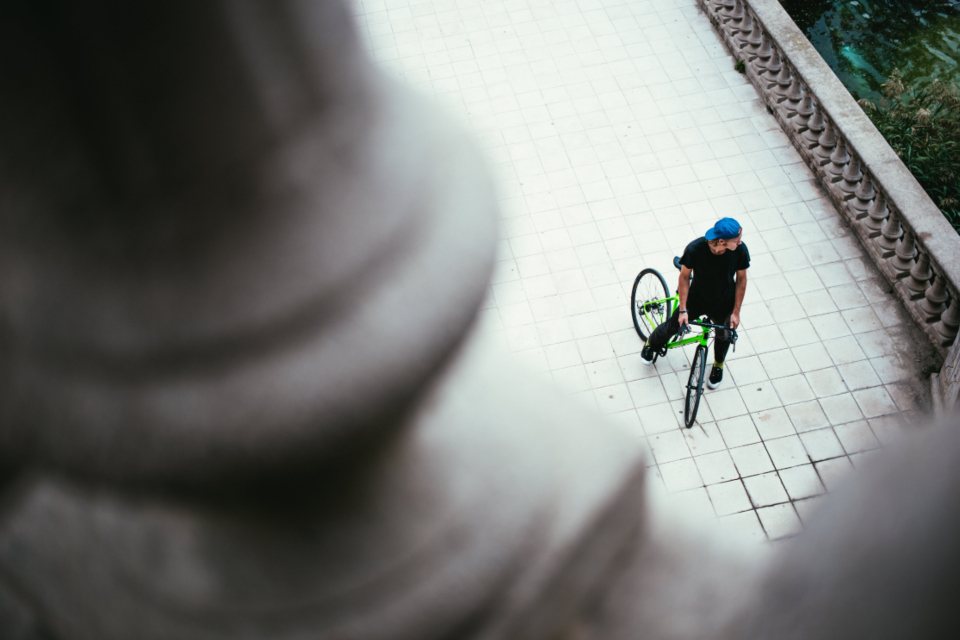
The Urban Cycling Revolution
City streets are transforming. With more people embracing eco-conscious living and efficient commuting, urban cycling has become more than a trend—it’s a movement. Choosing to bike in the city is a simple, powerful decision that impacts our health, our environment, and our communities.
Top Reasons to Choose the Bike Over the Car
Whether you’re commuting to work, running errands, or just exploring your neighborhood, cycling offers numerous benefits:
- Eco-Friendly: Biking produces zero emissions, helping reduce air pollution and traffic congestion.
- Cost-Effective: Say goodbye to gas, parking fees, and costly car maintenance.
- Health Boosting: Daily rides improve cardiovascular health, reduce stress, and keep you active.
- Time-Saving: Skip the traffic jams and find shortcuts through bike paths and lanes.
Real Stories from Urban Cyclists
Emma’s Morning Escape
“Biking to work has completely changed my mornings,” says Emma, a graphic designer who commutes 8 km daily. “I used to sit in traffic feeling frustrated. Now, I cruise through the park with fresh air and a clear mind before I even start my day.”
Jamal’s Family Rides
For Jamal, weekends are family adventure time. “We used to drive everywhere. Now, we hop on our bikes and explore the city together. It’s a fun, active way to bond—and the kids love discovering new spots on two wheels.”
Tips for a Smooth Urban Ride
Starting out as a city cyclist? Here are a few quick tips from seasoned riders:
- Invest in Comfort: A good seat and proper bike fit go a long way.
- Stay Visible: Bright clothes and lights help drivers see you, even in daylight.
- Plan Your Route: Use bike-friendly paths and quieter streets when possible.
- Lock It Right: Use a quality lock and secure your bike frame—not just the wheel.
The Numbers Behind the Benefits
Enthusiasm is easy; figures are more useful. About 40 percent of all trips in the United States are shorter than 3 miles, and on flat ground a relaxed rider covers that distance in 15 to 20 minutes, which is often faster than driving once parking is included. Driving costs the average owner around 65 to 80 cents per mile when fuel, insurance, depreciation and maintenance are added up, so a household that shifts 3,000 miles a year onto a bike keeps roughly 2,000 dollars. A dependable city bike costs 400 to 900 dollars new, and annual upkeep runs 100 to 250 dollars. Public health guidance calls for 150 minutes of moderate activity a week; a 20-minute ride each way on three working days meets it.
Safety is the worry that keeps most people in the car, and here the details matter more than the fear. Where cities have installed protected bike lanes, injury rates for riders drop by half or more compared with unprotected streets, and a shared-use path removes car conflicts entirely. A helmet meeting the CPSC standard, which every helmet sold in the United States must, costs from about 40 dollars. Lights are the other cheap upgrade: a 100 to 200 lumen front light and a 20 to 50 lumen rear light make you visible from hundreds of feet away, and using them in daylight is a habit worth building.
Riding Here: The Tri-Cities Reality
We are lucky in one big way. The Sacagawea Heritage Trail is a paved loop of about 23 miles that follows the Columbia through Kennewick, Pasco and Richland and crosses the river on the Cable Bridge and, upstream, near the Blue Bridge. It passes Columbia Park, skirts Bateman Island and runs along the Richland riverfront, separated from traffic nearly the entire way. Off the trail, most streets rely on painted lanes, so we plan routes that use the trail for the long stretch and quiet residential streets for the last mile.
The challenges are weather, not hills. Summer afternoons top 95 F for weeks, the air is dry enough that you rarely notice how much you sweat, and a steady wind blows up the river most afternoons. The answers are simple: ride before 9 a.m. or after 6 p.m. in July and August, carry two bottles, wear a light long-sleeve top, and expect the return leg into the wind to take longer. Every Ben Franklin Transit bus carries a front rack for bikes, so a one-way ride with a bus home is a legitimate plan, not a failure. Winter is mostly about short daylight and a few icy mornings, which lights and wider tires handle.
Choosing a Bike That Fits City Life
You do not need a racing bike. For errands and commutes a hybrid or flat-bar bike with 32 to 42 mm tires rides comfortably over cracked pavement and gravel shoulders and takes fenders and a rack. If heat or distance is the barrier, an e-bike closes the gap: class 1 assists while you pedal up to 20 mph, class 2 adds a throttle, and class 3 assists to 28 mph but is often barred from shared-use trails. Class 1 models in the 1,200 to 2,500 dollar range are the sweet spot for riding here. Whatever you choose, budget about 10 percent of the bike’s value for a hardened U-lock, since most stolen bikes were held by a cable or not locked at all.
More Than Just a Ride
Urban cycling isn’t just about getting from A to B—it’s about reclaiming your time, reconnecting with your environment, and redefining what mobility means. Every pedal stroke is a step toward a cleaner, healthier, and more human-scale city.
So why bike in the city? Because it’s better for you, your wallet, and the world around you.