
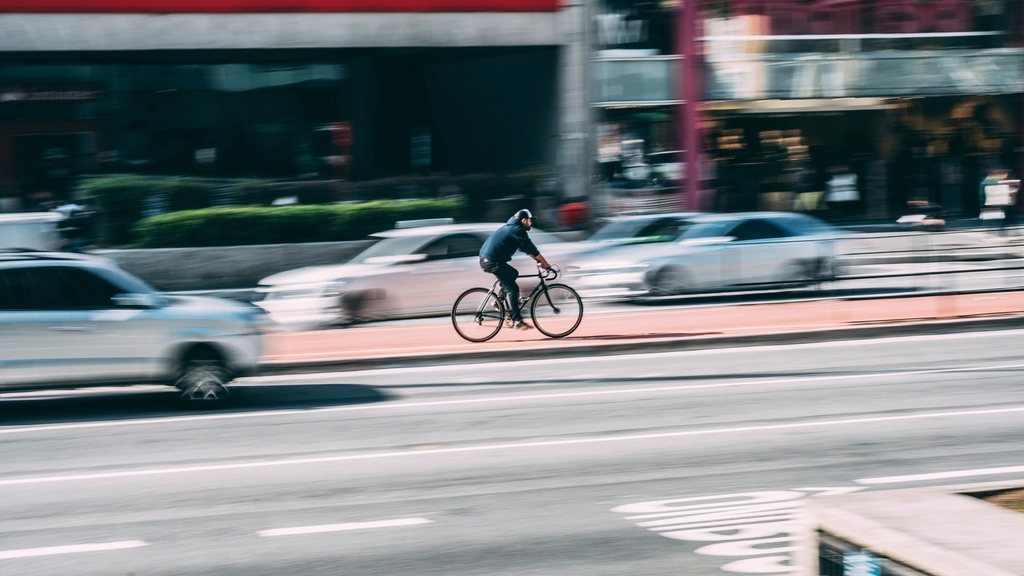
Why Urban Cycling Matters for the Planet
In an age where climate change and urban congestion are pressing issues, choosing the bicycle over the car is more than a lifestyle choice — it’s a powerful environmental statement. Cycling in the city helps reduce carbon emissions, lowers noise pollution, and promotes healthier communities. It’s one of the simplest ways individuals can contribute to a more sustainable future.
Less Carbon, More Action
Cars are among the leading contributors to greenhouse gas emissions. In contrast, bicycles produce zero emissions during use. According to recent studies, replacing just one daily car trip with a bike ride can cut an individual’s carbon footprint drastically over the course of a year.
Here’s what makes cycling so eco-friendly:
- No fuel consumption or exhaust emissions
- Lower demand for road infrastructure and parking
- Minimal resource use during manufacturing compared to cars
Real Stories from the Saddle
Meet Daniel: The Office Commuter Turned Eco-Warrior
Three years ago, Daniel swapped his daily 12-mile car commute for a hybrid bike. At first, it was just an experiment. Now, it’s a way of life. “I started noticing how much calmer my mornings felt,” he says. “Not only was I saving money on gas, but I was arriving to work energized and focused.”
Daniel estimates he’s avoided over 2,000 kg of CO₂ emissions since making the switch.
Sofia’s Sustainable School Runs
Sofia, a mother of two, uses a cargo bike to drop her kids at school and run errands. “We turned our daily rides into fun family time,” she shares. “My kids love spotting birds and trees on the way — it’s like a mini adventure before class!”
Tips for Embracing Urban Cycling
Starting your cycling journey in the city doesn’t have to be daunting. Here are a few tips to get rolling:
- Start small: Replace short car trips with bike rides.
- Plan your route: Use bike-friendly streets and trails where possible.
- Stay safe: Wear a helmet, use lights, and follow traffic rules.
- Invest wisely: A good commuter bike pays off in the long run.
Beyond the Environment: The Hidden Perks
While the ecological benefits are clear, urban cycling also offers a host of personal advantages. It improves cardiovascular health, reduces stress levels, and fosters a stronger connection with one’s community. You’ll find yourself noticing local shops, parks, and people in a way that’s impossible from behind a windshield.
In short, cycling transforms not just how we move, but how we live.
Emissions in Real Numbers
Vague claims about saving the planet do not convince anyone, so here are the figures we rely on. The average passenger car in the United States emits about 400 grams of carbon dioxide per mile, or roughly 4.6 metric tons a year at a typical 11,500 miles. A bicycle emits nothing in use, and even after counting the extra food a rider eats, most life-cycle studies put cycling at about 20 to 30 grams per mile. Replacing a 10-mile round-trip commute by car with a bike, three days a week, saves about 600 kg of carbon dioxide a year, which is a real, measurable slice of a household footprint. Manufacturing matters too: building a car releases 5 to 10 tons of carbon dioxide before it moves, a bicycle a few hundred kilograms.
The picture for electric bikes is nearly as good. An e-bike battery of 500 watt-hours is charged for a few cents, and one full charge covers 30 to 60 miles of assisted riding. That works out to about 5 to 15 grams per mile including generation, and in a region like ours, where much of the grid power comes from hydroelectric dams on the Columbia, the number is lower still. E-bikes sold in Washington fall into three classes: class 1 assists only while you pedal, up to 20 mph; class 2 adds a throttle to 20 mph; and class 3 assists while pedaling up to 28 mph. Class 1 and 2 are welcome on most shared-use trails, while class 3 is often restricted to streets, so check before you take one onto the riverside path.
The Tri-Cities Angle
Flat terrain, dry weather and a 23-mile riverside loop make this one of the easier places in the Northwest to swap trips. The Sacagawea Heritage Trail runs along the Columbia through Kennewick, Pasco and Richland and connects across the Cable Bridge and the Blue Bridge, so a surprising number of everyday errands can be done without touching an arterial. Columbia Park has picnic areas and restrooms along the way, Bateman Island offers a car-free side trip, and the Richland riverfront ties into shops and cafes within a block of the path. Most household errands, groceries, school, the post office, fall within 2 or 3 miles of home, and on our flat grid that distance is a 15-minute ride.
The obstacles are climate, not hills. Summer afternoons run above 95 F for weeks at a time, and the wind that blows up the river most afternoons can turn a pleasant outbound ride into a slow return. We treat this as a scheduling problem rather than a reason to drive: ride early, ride the shaded park sections in the heat, carry two bottles, and keep a Ben Franklin Transit bus as a backup, since every bus has a front rack for bikes and there is no extra fare. Winter here is more about short daylight than snow, so 200 lumens up front and a bright rear light stretch the riding season to twelve months.
Costs favor the bike as well. A car costs its owner roughly 70 cents per mile all-in, so 3,000 miles a year moved onto a bike saves around 2,000 dollars, against a few hundred dollars for tires, chains and a yearly tune-up. An e-bike in the 1,200 to 2,500 dollar range pays back in about a year on the same math.
Join the Movement
Every revolution starts with a single pedal stroke. Whether you’re a seasoned rider or just considering your first city ride, remember that each trip you take by bike contributes to a healthier planet and a more vibrant urban life. Let’s continue to inspire, share, and ride toward a more sustainable future — together.