
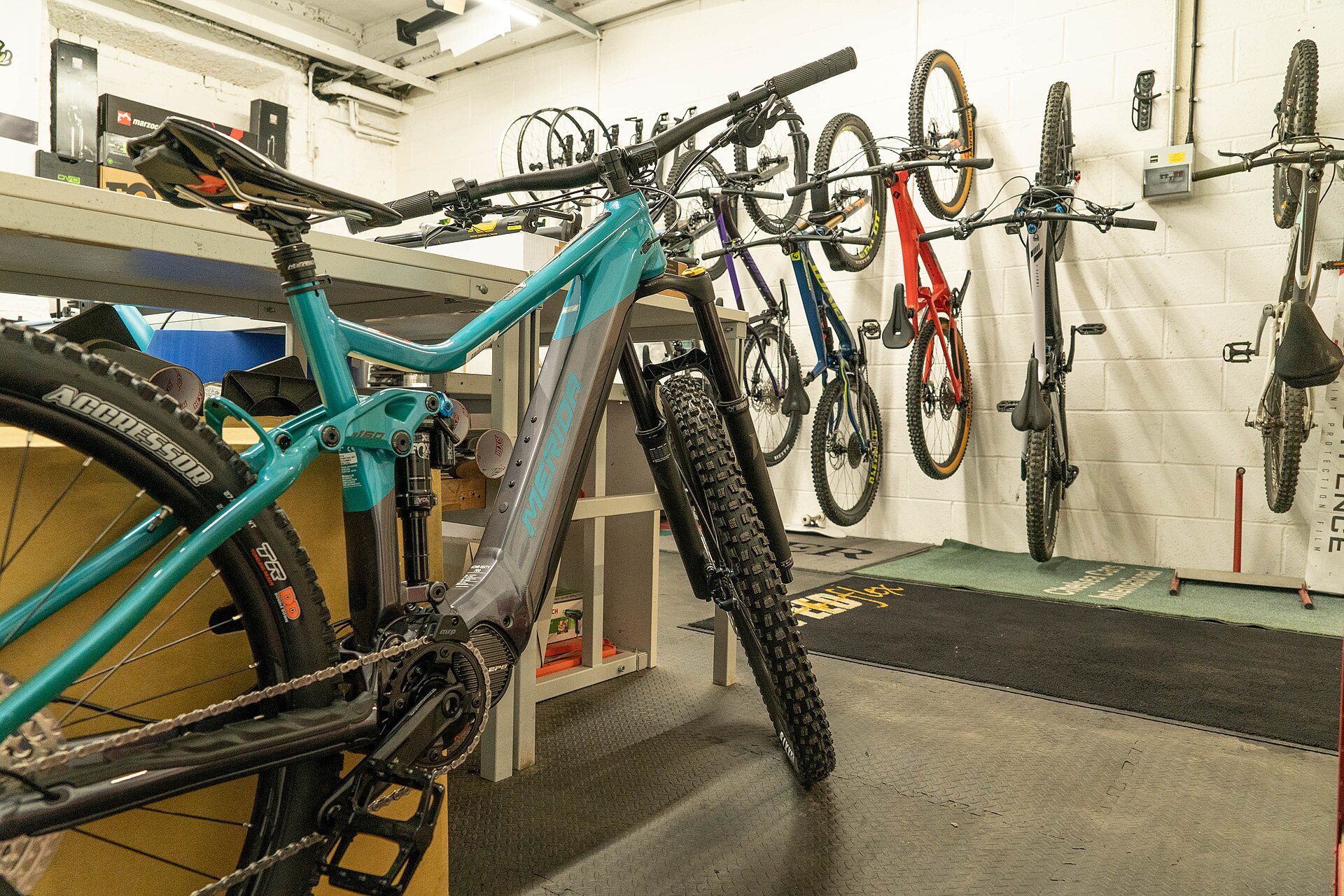
A good local bike shop is part workshop, part information desk and part meeting point. For anyone who rides in town through all four seasons, the shop you pick shapes how often your bike is ready, how well it fits and how much you learn about keeping it running. This guide explains what a shop of this kind does, which questions to ask before you commit, and how to get the most from each visit.
- A shop offers more than sales: fitting, repairs, parts sourcing, rentals, advice and a link to local riders.
- Ask how a shop separates a quick safety check from a thorough overhaul, and how long each one usually takes.
- Getting your bike serviced before the dark and wet months saves you from being stranded in the busy season.
What does a trail head cyclery actually do for you?
The phrase covers the independent neighbourhood shop that sells bikes, repairs them and gives riders a place to ask questions. The retail side is the most visible part, but it is rarely the most useful one for someone who commutes. The real value sits in the workshop and at the counter, where staff can look at your particular bike and your particular routes.
One bike shop in Courtenay, British Columbia, describes its approach as being about riding bikes, talking about bikes and being around bikes. That sums up what you should expect from any good shop: people who like the subject, who answer questions without hurrying you, and who treat a worn commuter with the same care as a new purchase.
Most shops of this type cover a similar set of jobs:
- Selling complete bikes and accessories, with advice on what suits your riding.
- Repairs and regular maintenance, from small adjustments to major work.
- Fitting help, so the bike matches your body and your commute.
- Rentals and travel support for visitors or for riders whose own bike is in the workshop.
- A point of contact for local rides and cycling groups.
How do you choose a shop you can rely on?
Choosing is a decision about habits as much as price. You will return several times a year, so a shop that is easy to reach and pleasant to deal with beats one that is slightly cheaper but awkward to visit.
Look at how the mechanics work
A shop whose mechanics take time to assess the whole bike before quoting is worth more than one that gives a price over the counter without looking. Ask whether the person who inspects your bike is the person who repairs it, and whether they will explain what they found in plain language. Quality parts and proper tools matter too, because a cheap replacement that fails in a month costs you another visit.
Ask about the range of services
Check whether the shop handles the kind of bike you ride. A commuter on a hybrid, an electric bike owner and a gravel rider all need slightly different knowledge. If you ride an electric bike, find out whether the staff can explain motors, batteries and the different technologies in simple terms, because this is an area where shops vary widely.
Judge the welcome
Visit once before you need something urgent. Notice whether staff speak to beginners with respect, whether they ask about your riding, and whether the space feels like somewhere you would return. A friendly, experienced atmosphere is not a luxury; it decides whether you actually bring the bike in when something feels wrong.
Quick safety check or full overhaul: which do you need?
Shops often sell two broad levels of service, and mixing them up leads to either wasted money or a bike that is still not right. Ask each shop to describe exactly what its levels include, since the names differ from place to place.
A quick safety check is a short inspection of the things that can fail suddenly. Typical items include brakes, tires, wheel tightness, shifting and the chain. It suits a bike that has been ridden regularly, has no odd noises and was serviced recently. It also makes sense as a spot check before a long trip or at the start of a new season.
A full overhaul goes much deeper. The mechanic takes components apart, cleans and lubricates them, replaces worn parts and sets everything up again. It suits a bike that has covered many miles, has been stored for a long time, or has been ridden through a lot of wet and grit. If shifting is sloppy, brakes feel weak or you hear grinding from the drivetrain, a quick check will likely only confirm that you need more.
Before you hand over the bike, tell the mechanic how you ride: distance, weather, whether it lives indoors or outside. That context helps them recommend the right level instead of the one that is simply easiest to sell.
What should you expect on cost and turnaround time?
Price and timing are the two questions riders most often forget to ask until the bike is already on the stand. Ask both up front, and ask for the answer in writing or on the work ticket when you can.
Costs depend on the shop, the type of bike and the parts needed, so no single figure fits every case. A sensible approach is to ask for a quote on the labour first, then a separate estimate if the mechanic finds extra work. You should be contacted before anything beyond the agreed job is done. If you are on a tight budget, ask which repairs are urgent for safety and which can wait.
Turnaround varies with the season. Planning your service for a slower period often means a shorter wait and more time with the mechanic. Ask how the shop handles ordering parts, because a repair that needs a part not on the shelf can take longer than the labour itself.
If you commute daily, ask whether the shop can suggest a way to stay mobile while yours is in the workshop. Some shops offer rentals, which can bridge the gap.
How does a shop help you ride through the dark and wet months?
The change of season is when a shop earns its place in a commuter’s routine. Colder mornings, shorter days and wet surfaces change what your bike needs and what you need to wear.
One shop in British Columbia frames the shift well: as temperatures drop and the leaves turn, there is no reason to stop riding, provided you are equipped for it. Its advice centres on a few categories of gear and care:
- Lights, grippy tires, fenders and reflective gear for the dark and wet season.
- Cleaning and other supplies to keep the bike in good condition through muddy conditions.
- Wind and waterproof clothing, base layers and shells for colder, wetter rides.
- Insulated, ideally waterproof, shoes and thermal socks, since cold days draw heat from your feet.
- Warm, waterproof, windproof and reflective gloves, because you need working hands to steer.
A shop can also check that your tires, brakes and lighting are ready before conditions worsen. If you ride in a region with a harsh winter, ask staff which tire and fender options suit local roads, and what to clean off the bike after wet or salted rides.
Why do parts sourcing, fitting and community rides matter?
Three services separate a strong shop from an average one, and none of them shows up on a price tag.
Parts sourcing
Bikes use many standards, and getting the right part is harder than it looks. Forks, for example, have several key dimensions, including offset, length, width, steerer tube length and steerer tube diameter, and a part that is slightly off may not fit at all. A knowledgeable shop can match a replacement to your frame and wheels instead of leaving you to guess from a listing online. It can also order unusual items and tell you honestly when an older bike is not worth the expense of a particular upgrade.
Fitting
A fit that suits your body reduces aches and makes a daily ride more pleasant. Ask whether the shop offers help with saddle height, reach and handlebar position when you buy a bike, and whether adjustments after the first weeks are included or charged separately. Small changes often make a large difference to comfort on a regular commute.
Community rides and support
Shops that host or support group rides give newcomers a safe way to build confidence and meet others. When you choose a shop, you are also choosing the kind of local cycling culture you want to be part of.
Frequently asked questions
Is a quick safety check enough before winter?
It can be if your bike was recently serviced and runs well. If the drivetrain is worn, the brakes feel weak or the bike has done many wet miles, a fuller service is the safer choice. Tell the mechanic about your commute so they can recommend the right level.
Can you rent a bike while yours is being repaired?
Some shops rent mountain bikes, electric mountain bikes and travel bike bags, and rentals are also useful for visitors. Availability varies, so ask when you book the repair. If the shop does not rent, staff may suggest another way to stay mobile.
What should you ask a shop before buying an electric bike?
Ask staff to explain the motor type, battery and the technologies on the bike you are considering, and what service they can provide later. Electric systems can be confusing, so a shop that answers questions patiently is a good sign. Also check whether they can repair the model after your purchase.
Related reading
- Lights, Reflectors and Being Seen: What the Numbers Mean
- Carrying Things by Bike: Racks, Panniers, Baskets and Cargo Bikes
Sources
- Trail Bicycles | Your Comox Valley Bike Shop (trailbicycles.ca, accessed 2026-11-09)
- Bicycle fork — Wikipédia (en.wikipedia.org, accessed 2026-11-09)
Photo: Bike workshop – bicycle repair shop, by Alextredz, CC BY-SA 4.0 (Wikimedia Commons)
