
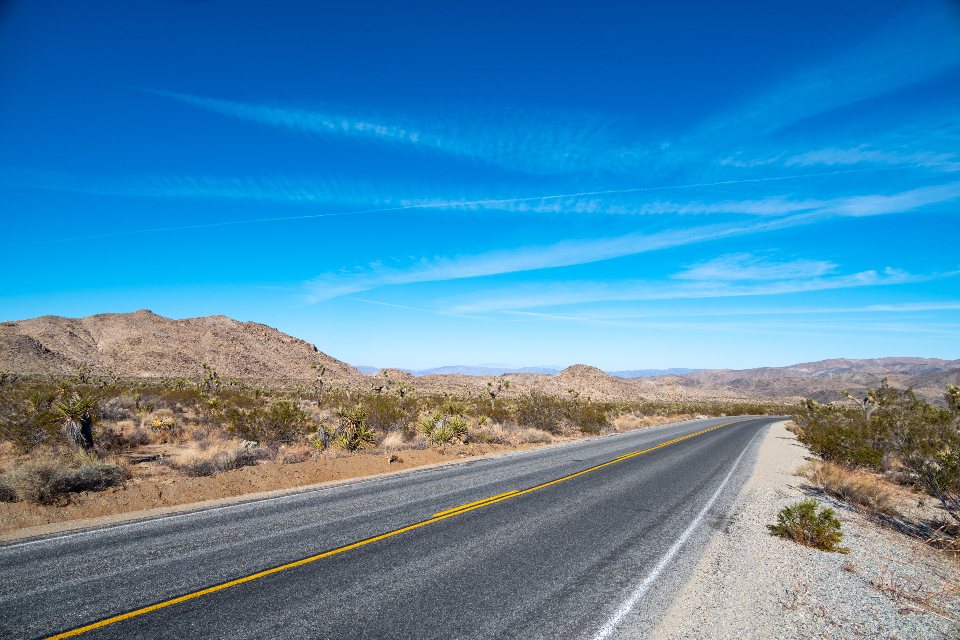
Every July the same question shows up in our club inbox: is it crazy to keep commuting when the forecast says 100 degrees? Our honest answer is no, but only if you change how you ride. The Tri-Cities sit in a desert basin, and from late June through early September we routinely see afternoons between 95 and 105 degrees with humidity under 20 percent. That dry air is a gift in one way, because sweat evaporates fast and cools you, and a trap in another, because you never feel how much water you are losing. Here is how we keep riding through the hottest weeks without ending up sick, sunburned, or arriving at work looking like we swam there.
Start early, and mean it
The single biggest heat trick is not gear. It is the clock. On a typical 100 degree day here, the temperature at 6 a.m. is around 65 to 70 degrees. By 9 a.m. it is already pushing 80, and by 3 p.m. it is at its peak. The evening ride home is the hard one, because pavement that has baked all day radiates heat well past sunset. Many of us shift our workday earlier during heat waves, riding in at 6:30 and leaving at 3. If your schedule is fixed, save your energy and slow down for the afternoon.
Route choice matters more in heat than at any other time of year. Pick the side of the river with trees, choose the path along the water over the arterial with no shade, and accept an extra half mile if it keeps you out of the sun. On an exposed bridge crossing with a headwind and full sun, the effort you spend is the heat you generate, so gear down and spin.
Hydration by the numbers
The general guidance for exercising in hot conditions is to drink about 16 to 24 ounces of fluid per hour of moderate riding, and to start the day already hydrated rather than trying to catch up on the bike. A commute of 30 to 45 minutes usually means one full bottle, and on a 100 degree afternoon we carry two. If you weigh yourself before and after a ride and you are down more than 2 percent of your body weight, you fell behind. For a 170 pound rider that is a little over 3 pounds.
Water alone is not enough once you sweat for more than an hour, or if you ride twice in a day in this heat. Sweat carries out sodium, roughly 500 to 1,500 milligrams per liter depending on the person, and replacing only the water can leave you feeling flat and crampy. We use an electrolyte tablet or powder in one of the two bottles, or a pinch of salt and a splash of juice if we run out. Freezing a half-full bottle overnight and topping it up in the morning gives you cold water for the first hour, which makes drinking a lot more pleasant.
What to wear when the air is an oven
Light colors, loose fits, and fabrics that wick beat everything else. A white or pale long-sleeve sun shirt sounds counterintuitive, but many of us switch to sleeves in July because covered skin stays cooler than bare skin in direct sun, and it saves on sunscreen. Look for a rating of UPF 30 or higher. Cotton is the enemy in heat, because it holds sweat against you and then chafes.
Your helmet should have real vents. A cycling cap with a short brim under the helmet keeps sun off your face and sweat out of your eyes, and soaking it in cold water before you leave buys you ten minutes of relief. Sunglasses are not optional out here, both for glare and for the dust that blows off the fields on windy days. Apply a broad-spectrum sunscreen of SPF 30 or more to your neck, ears, the backs of your hands, and the strip of thigh above your knee, which is the spot most of us forget and most of us burn.
Know the signs of heat illness
Heat exhaustion and heat stroke are the reason we take this seriously. The body’s core temperature normally sits near 98.6 degrees, and problems begin as it climbs past about 102. The warning signs are worth memorizing, because they show up on the bike as small things that are easy to ignore.
- Heavy sweating followed by goosebumps or a chill on a hot day.
- Headache, dizziness, or a wobbly feeling when you stand at a light.
- Nausea, muscle cramps, or a sudden drop in your usual pace.
- Confusion, slurred speech, or skin that has stopped sweating and feels hot and dry. These are heat stroke signs and need emergency care immediately.
If you notice the early signs, stop in shade, drink, pour water over your head and neck, and do not get back on the bike until you feel normal. Nobody in our club has ever regretted calling for a ride. Ride with a phone, tell someone your route, and on the worst days ride with a partner if you can.
Arriving without a shower
Not every workplace has a shower, and the fear of showing up drenched keeps a lot of people off the bike in summer. The trick is to separate the ride from the arrival. Ride the last mile at an easy spin so your body starts cooling before you stop. Bring a small towel and a change of shirt in a bag, and give yourself ten minutes in a restroom to wipe down with a wet cloth or a pack of wipes, then change. Because the air here is so dry, sweat on your skin evaporates quickly if you stand near a vent or fan for a few minutes.
Keep a set of work clothes at the office so you are not carrying them daily. Deodorant plus a spray bottle of water on your hair covers most of the rest, and some of us leave a second pair of shoes under the desk all summer. The whole routine takes less time than finding a parking spot.
When to skip the ride
There are days we do not ride. When the forecast high is above 105, when wildfire smoke pushes the air quality index above 150, or when you are already tired, sick, or hungover, the bus or a carpool is the smart choice and nobody at the club will judge you. The point of commuting by bike is to make life better, not to prove something. Ride early, drink more than you think you need, cover up, and when the thermometer says the desert wins today, let it win. It will be 72 degrees again in October.