
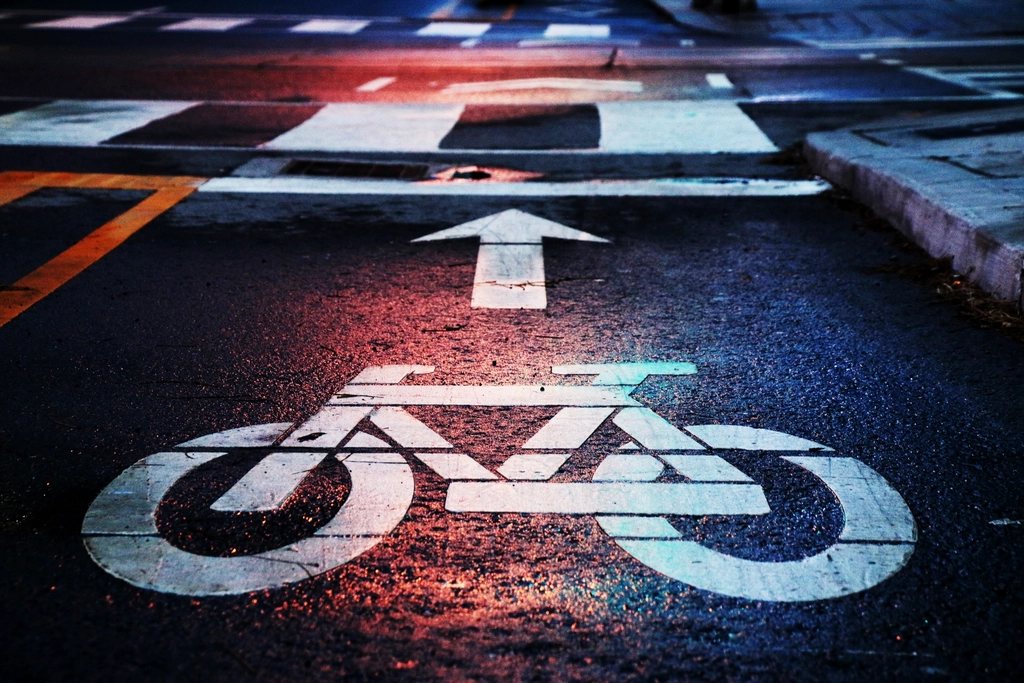
Why Bike Lanes Matter More Than Ever
Urban cycling has become more than just a trend—it’s a movement. With growing concerns about climate change, traffic congestion, and public health, cities around the world are rethinking how people move. Dedicated bike lanes are at the heart of this transformation, offering a safer, greener, and more efficient alternative to car travel.
For many cyclists, especially those commuting daily, the difference between a painted line and a protected bike lane is the difference between stress and joy. Good infrastructure invites more people to ride, which in turn reduces pollution and traffic for everyone.
Designing Cities for Cyclists
Creating a bike-friendly city isn’t just about installing a few lanes. It requires a holistic approach that integrates cycling into the urban fabric. This includes:
- Protected bike lanes separated from motor traffic
- Bike traffic signals that prioritize cyclist flow
- Secure bike parking near transit hubs and workplaces
- Maintenance stations for on-the-go repairs
When cities invest in these features, they send a clear message: Cycling is not just welcome, it’s encouraged.
Stories from the Saddle: Local Cyclists Speak Out
Maria’s Morning Commute
Maria, a graphic designer living downtown, used to spend over an hour in traffic every morning. Now, thanks to the newly completed bike corridor that cuts through the city center, she bikes to work in 20 minutes. “I feel more energized, and I love starting my day outdoors,” she says.
Jamal’s Family Rides
As a father of two, Jamal was hesitant to bike with his kids in a city that felt unsafe. But with the addition of family-friendly cycling paths in local parks and neighborhoods, weekend rides have become a cherished routine. “We ride together every Saturday—it’s our time to bond and breathe,” he shares.
Barriers Still Exist—But Change Is Rolling In
Despite progress, not all areas are equally equipped. Disconnected lanes, poor signage, and lack of lighting can discourage potential cyclists. Some neighborhoods still prioritize car traffic over sustainable transport.
However, with increased public pressure and inspiring advocacy from local communities, more cities are committing to long-term cycling strategies. Urban planners are listening—and the wheels of change are turning faster than ever.
Tips for Advocating Better Bike Infrastructure
Want to see better cycling conditions in your area? Here are a few ways to get involved:
- Attend city council meetings and share your experience as a cyclist
- Join local bike advocacy groups to stay informed and active
- Document unsafe areas and submit suggestions to city planners
- Encourage friends and family to ride, increasing visibility and demand
Every voice counts when it comes to shaping a more bike-friendly city.
Bike Lane Types, by the Numbers
Not all bike lanes are equal, and it helps to name the types when you talk to a planner. A painted lane is a stripe on the pavement, usually 5 to 6 feet wide, with nothing between you and passing cars; it costs the least, often 5,000 to 50,000 dollars per mile, but it barely changes how close drivers pass. A buffered lane adds a hatched strip of 2 to 3 feet, giving cars a visual reason to keep back and riders room to avoid opening doors. A protected lane, sometimes called a cycle track, puts a physical barrier such as a curb, planters, parked cars or flexible posts between the bike and the traffic; construction typically runs 100,000 to 1 million dollars per mile. Beyond that sits the shared-use path, a paved trail fully separate from the road and shared with walkers.
The safety difference is well documented. Research in North American cities has found that protected lanes reduce injury risk for riders by roughly 50 to 90 percent compared with a busy street with no facility, while paint alone shows only modest gains. Surveys consistently find that about half to 60 percent of adults are interested in riding but worried about traffic, and that group only appears when a route is physically separated. Paint attracts the people who already ride; protection attracts everyone else.
What the Tri-Cities Has Today
Our best asset is the Sacagawea Heritage Trail, a paved loop of about 23 miles that follows both banks of the Columbia through Kennewick, Pasco and Richland and closes the circle over the Cable Bridge downstream and the interstate bridge upstream, with the Blue Bridge walkway as a shortcut between them. It is a shared-use path, which means it does the job of a protected lane for anyone whose trip starts and ends near the river. Columbia Park, Bateman Island and the Richland riverfront all hang off it. Its weaknesses are the ones every trail has: it does not go to most workplaces, it is exposed to wind and to summer heat above 95 F for long stretches, and the last mile between the trail and a front door often falls on a wide arterial with no facility at all.
Away from the river, the picture is mixed. Some newer arterials carry painted lanes, a few sections have buffers, and protected lanes are still rare. Ben Franklin Transit helps bridge the gaps, since every bus carries a front bike rack and the transit centers sit within a short ride of the trail. The improvements we would push for first are the cheap ones with the biggest effect: buffered lanes linking the trail to schools and shopping, lighting on trail sections used after dark, and covered racks at the transit centers.
Counting Trips
Numbers persuade councils more than stories do. Nationally, bicycles account for roughly 1 percent of all trips, but about 40 percent of trips are under 3 miles, a distance most people can ride in 15 to 20 minutes on flat ground like ours. Cities that built connected networks over a decade have seen bike commuting shares climb to 5 or 6 percent, and a new protected lane commonly doubles counts on that corridor within a year. If you want to help, count. A tally of riders at a trail entrance or a bridge approach on a weekday morning, repeated a few times a year, is exactly the data a planner needs.
The Road Ahead
Urban cycling is not just a choice—it’s a statement for a cleaner, healthier, and more connected city. When infrastructure supports cyclists, everyone benefits. From reduced emissions to improved public health and stronger communities, the impact is profound.
Whether you’re a daily commuter, a weekend rider, or just curious about getting started, know this: the city is changing, and bikes are leading the way.