
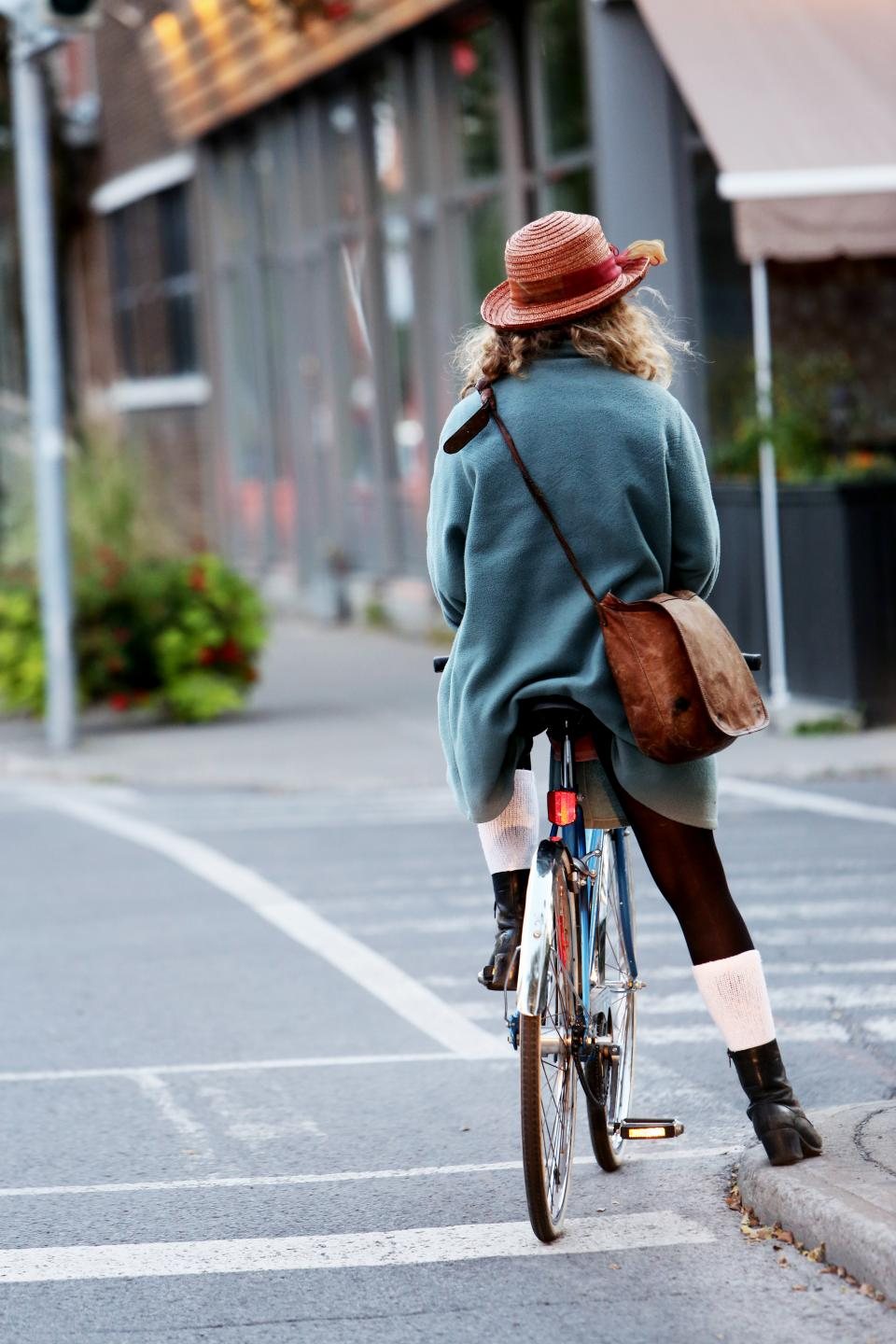
We did not set out to go car-free as a statement. The car died in the driveway one August, the repair quote was more than the car was worth, and we decided to see how long we could put off replacing it. That was twelve months ago. The Tri-Cities is a place built for driving, with wide arterials, big parking lots and summers that push past 95 F for weeks, so we expected the experiment to last until the first heat wave. It did not go that way, and what follows is the honest version: the parts that worked, the parts that hurt, and what we ended up keeping.
The Distances Are the First Shock
On a map, Kennewick, Pasco and Richland look compact. On a bike, the metro area is about 15 miles across, and the places we needed to be were spread over all of it. Our first real lesson was that the Sacagawea Heritage Trail, the 23-mile paved loop along the Columbia, is the spine of any car-free life here. It is flat, separated from traffic, and it touches Columbia Park, Bateman Island, the Richland riverfront and both downtowns via the Cable Bridge and the Blue Bridge. Most of our trips became a few miles of trail plus a mile or two of quiet residential streets at either end. A 6-mile errand took 30 to 35 minutes, which is not much slower than driving and parking. The trips that hurt were the ones with no trail connection, across the wide streets on the far side of town, where painted bike lanes stop and start and a 4-mile ride felt like 10.
Heat: Rearranging the Day
We thought heat would end the experiment. What actually happened is that heat rearranged the day. In July and August, mornings start in the 60s, so we shifted errands, groceries and the commute to before 9 a.m. and did nothing on the bike between noon and 6 p.m. if we could help it. Two bottles per hour of riding became the rule, along with a light long-sleeve top and a cap brim under the helmet. The dry air is deceptive: you do not feel wet, so you do not feel thirsty, and the first few times we got home with a headache. The wind was the surprise. It blows up the river most afternoons and turns a 20-minute ride into a 30-minute one in the wrong direction, so we learned to plan loops that come home with the wind at our backs. We never once decided that a trip was impossible because of weather; we only decided when to take it.
Groceries Without a Trunk
This is the question everyone asks. The answer is two panniers and a rear rack, about 120 to 200 dollars for the set, which carry a week of food for two adults if you shop with a list and skip the 24-pack of anything. We went more often and bought less, roughly twice a week, and it turned out to be cheaper because we stopped buying things we did not need to fill a cart. For the occasional big load, a folding trailer works, and a month into the year we borrowed one and then bought a used one for about 100 dollars. Frozen food in July survives a 20-minute ride in an insulated bag. The things we could not carry, a mattress and a set of tires, we had delivered, twice in a year, for less than one month of car insurance. The pharmacy, the library and the hardware store all turned out to be within 3 miles, which on flat ground is a 15-minute ride, and none of them had ever felt that close from behind a windshield.
The Bus Is Part of the Bike
We would have quit by October without Ben Franklin Transit. Every bus has a front rack that takes two or three bikes, loading takes about 20 seconds, and the bike rides free. The pattern that saved us was the one-way ride: bike in while it is cool, bus home with the bike on the rack when the afternoon hits 100 F or the wind is howling. The transit centers in each city sit within a short ride of the trail, so most of the metro area is reachable by combining the two. Frequencies are the honest weakness, often 30 to 60 minutes between buses on outer routes, and when the rack is full you wait for the next one. We learned the schedules for three routes and stopped worrying about the rest.
Winter, Wind and the Dark
Winter here is short daylight more than snow. Between November and February we commuted in the dark at both ends, and lights stopped being an accessory: a 200 lumen front light to see the trail surface, a 50 lumen rear light on flash, and reflective bands on the ankles, all for under 80 dollars. There were perhaps ten icy mornings in the year, and on those we walked to the bus or simply stayed home. Fog on the river in December is real and cold, and a windproof jacket over a wool layer handled everything down to the low 20s. The trail is not plowed, but it rarely needs to be. What we did not expect was how much we came to like the winter riverfront, empty and silver, with the Blue Bridge lights on the water.
What We Kept and What We Dropped
A year on, we bought a car again, a small used one, because a family member two hours away needed regular visits and the bus does not go there. That is the honest ending. But the car sits most of the week. What we kept: the morning schedule, the panniers, the bus pass, the rule that anything under 3 miles goes by bike, and a mid-range class 1 e-bike we bought in month eight for about 1,800 dollars, which erased the heat problem for the longer trips. What we dropped: the idea that a bike is a fair-weather toy, the second grocery run for things we forgot, and roughly 3,000 miles of driving a year, which at the usual 65 to 80 cents per mile is around 2,000 dollars we no longer spend. We are not evangelists about it. We would just say that in a car city, on a flat river trail, with a bus rack as backup, a car-free year is much more ordinary than it sounds.