
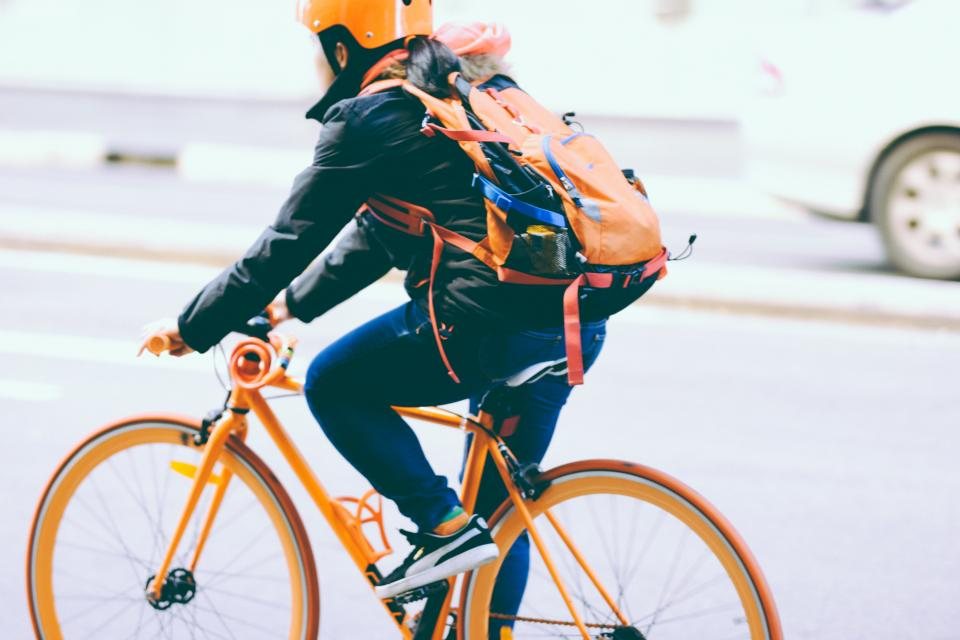
Why the Right Gear Matters
Urban cycling isn’t just about getting from point A to B — it’s about doing it efficiently, safely, and sustainably. Whether you’re commuting to work, running errands, or simply exploring your city, having the right gear can transform your ride from ordinary to exceptional.
Top Essentials for the Urban Cyclist
Here’s a curated list of must-have items that every city cyclist should consider for a smoother, more enjoyable ride.
1. Reliable Helmet
Safety comes first. A well-fitted helmet is essential in urban traffic. Look for models with good ventilation, lightweight design, and reflective elements for better visibility.
2. High-Visibility Clothing
City streets can be chaotic. Wearing bright or reflective clothing makes you stand out, especially during early mornings or evening rides. Some cyclists even swear by reflective vests or jackets for added security.
3. Durable Lock
In urban areas, bike theft is a real concern. Invest in a solid U-lock or heavy-duty chain. Combining two different types of locks can be an effective deterrent.
4. Front and Rear Lights
Visibility is crucial. Equip your bike with powerful front and rear LED lights. Rechargeable options are eco-friendly and cost-effective over time.
5. Fenders and Mudguards
City streets can be unpredictable — puddles, grime, and debris are common. Fenders help you stay clean and dry, especially during rainy commutes.
6. Compact Repair Kit
Flat tire? Loose chain? A small repair kit with the following tools can be a lifesaver:
- Multi-tool with hex keys
- Patch kit and tire levers
- Mini hand pump or CO2 inflator
7. Sturdy Rack or Basket
Carrying groceries or a backpack on your shoulders can be uncomfortable. A rear rack or front basket adds convenience without compromising balance.
8. Phone Mount and Navigation
City explorers often rely on maps. A handlebar phone mount helps you navigate safely without pulling out your phone at every intersection.
Bonus: What Our Riders Recommend
Members of our urban cycling club shared some personal favorites:
- Noise-canceling earbuds for podcasts during slow rides (used carefully and safely)
- Reusable water bottles clipped to the frame
- Rain ponchos that pack small but offer full coverage
Putting Numbers on the Essentials
Advice like “get a good lock” only goes so far, so here are the figures we use. Every helmet sold in the United States must meet the CPSC standard, so the sticker inside the shell matters more than the price tag. A 40 dollar helmet and a 200 dollar helmet pass the same impact test; the extra money buys ventilation and lower weight, nice on a July afternoon but not required for safety. Replace any helmet after a crash or after about five years of sun, because ultraviolet light slowly weakens the foam.
For lights, think in lumens. A rear light of 20 to 50 lumens is enough to be seen from several hundred feet, a front light of 100 lumens gets you noticed on lit streets, and 200 to 400 lumens actually shows you the surface on a dark stretch of trail. A flashing rear light in daylight is one of the cheapest ways to be spotted by a driver squinting into low sun over the Columbia.
Locks are the item most riders underbuy. Bike theft in the United States runs into the hundreds of thousands of reported cases each year, and surveys of victims suggest most stolen bikes were secured with a cable or not locked at all. A hardened U-lock in the 40 to 120 dollar range resists bolt cutters, and a folding lock or chain of similar quality gives more reach around odd posts. Lock the frame and rear wheel to a fixed object, and follow the old rule of thumb that lock spending should be about ten percent of the bike’s value.
Tires deserve a number too. Most city bikes ship with 28 to 32 mm tires; 35 to 42 mm gives a smoother ride over cracked pavement at almost no cost in speed. A puncture-resistant casing saves roadside repairs when goathead thorns are around, which here is most of the year.
Dressing for Tri-Cities Weather
Our climate changes the gear list in ways that generic guides miss. Summer afternoons regularly pass 95 F and the air is dry, so sweat evaporates before you notice it. We carry two bottles for anything over an hour. Light-colored, loose sleeves protect better than bare arms, and a cap brim under the helmet keeps the glare off the river out of your eyes. Fenders matter less here than in wetter cities, but a front fender still earns its place in the muddy weeks of February and March.
Wind is the other constant. Afternoon gusts funnel up the Columbia and across the open stretches of the Sacagawea Heritage Trail, so wider tires feel steadier and loose jackets act like sails. A snug windbreaker that packs into a pocket is more useful than a rain shell for most of the year. On the Cable Bridge and the Blue Bridge, crosswinds hit hardest mid-span, so keep both hands on the bars and shift a gear lower before the approach.
Finally, budget honestly. A sensible urban kit, meaning CPSC helmet, front and rear lights, U-lock, pump, spare tube, multi-tool and a rear rack, runs about 150 to 300 dollars bought new, roughly two months of downtown parking, and most of it lasts for years. If you take a Ben Franklin Transit bus for the hot half of the ride home, the front rack on every bus takes standard wheels, so nothing extra is needed to combine the two.
Ride Smart, Ride Equipped
Urban cycling is more than a commute — it’s a statement for a greener, healthier lifestyle. Equipping yourself with the right gear not only enhances your ride but also inspires confidence and joy on every journey. Whether you’re a seasoned commuter or just starting out, investing in these essentials can make every trip smoother and more rewarding.