
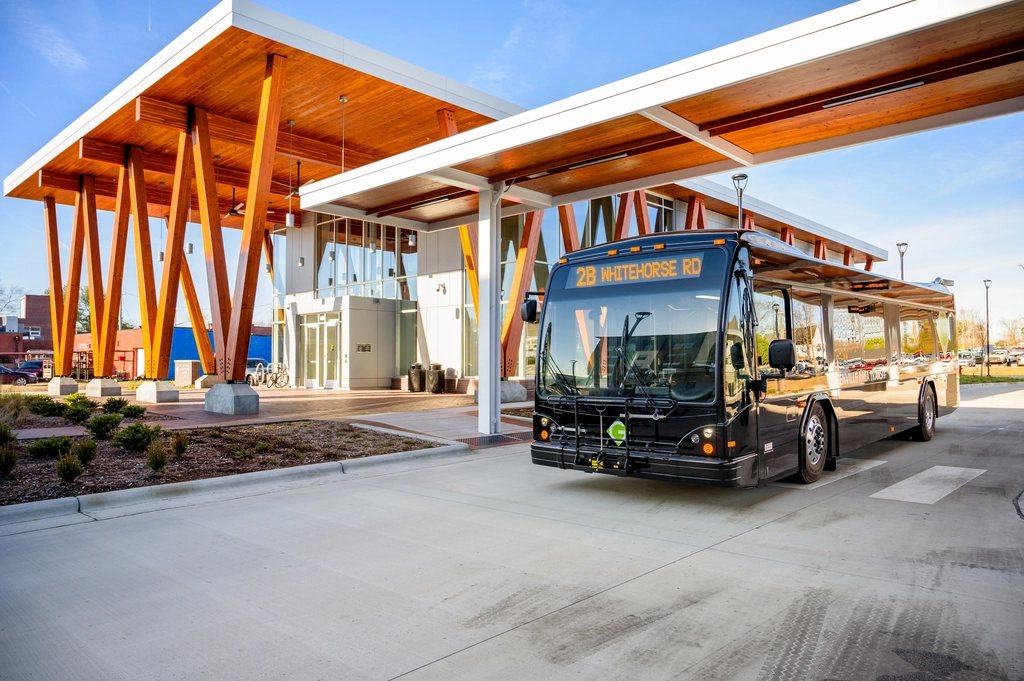
The Tri-Cities are three towns that have grown into one, and a lot of us live in one and work in another. A commute from a Pasco neighborhood to a Richland office can run 12 to 15 miles each way, which is a big ask five days a week, especially in July or in the dark of December. The answer for many of us is not to give up the bike but to split the trip: ride to a bus stop, roll the bike onto the rack, and ride again at the other end. Combining transit and cycling turns a long commute into two short ones and gives you an escape hatch when the weather or your legs say no.
How bus bike racks work
Nearly every transit bus in the country now carries a fold-down rack on its front bumper, and our regional system is no exception. The rack typically holds two bikes, sometimes three, and it is free to use. The process is simpler than it looks from the sidewalk. Signal the driver, squeeze the handle at the top of the rack to fold it down, lift your bike into the outer slot first if it is empty, and pull the spring-loaded support arm up and over the front wheel so it sits on the tire, not the fender or fork. Take your lights, bag, and pump with you when you board, because anything loose can fall off at 40 mph.
The racks are built for standard bikes with wheels between 20 and 29 inches and tires under roughly 2.3 inches wide. Most fat bikes, cargo bikes, and heavy electric bikes will not fit, and many systems set a weight limit near 55 pounds. When you get off, tell the driver before you walk to the front, unload from the curb side, and fold the rack back up if it is empty. Practice once on a quiet weekend so your first real loading is not at rush hour.
Park and ride, the middle option
If loading on the bus feels like too much, or your route runs through a stretch you would rather not ride, the park and ride lots are a good compromise. Several of them along the main corridors have bike racks and some have lockers. You ride the two or three miles from home to the lot on quiet streets, lock up, and take the bus for the highway segment where cycling is unpleasant or illegal.
The weak point is security. A bike left at a lot for nine hours is a bigger target than one locked outside your office, so use a U-lock through the frame and rear wheel, add a cable for the front, and ride a bike you could stand to lose. If the lot has lockers, ask the transit agency how to rent one. Many charge a small monthly fee, sometimes under 10 dollars.
Folding bikes and the rack problem
A folding bike solves the rack problem completely, because it comes on board with you like a piece of luggage. A typical folder has 16 to 20 inch wheels, weighs 22 to 30 pounds, and collapses to about the size of a large suitcase in under 30 seconds once you get the hang of it. Most transit systems allow folded bikes inside the bus at any time, though a few ask you to avoid the busiest runs or keep the bike out of the aisle.
The trade-off is on the road. Small wheels feel twitchier on rough pavement and in wind, and the gearing on cheaper folders runs out on our longer hills. For a two mile ride at each end of a bus trip, none of that matters much. If you go this way, buy a cover for the folded bike, because a greasy chain against a stranger’s slacks is a fast way to make transit unfriendly to cyclists.
Planning a mixed trip
A bike and bus trip needs a little more planning than either alone. Start with the bus schedule, because the bike part is flexible and the bus part is not. Find the route that covers the longest, least pleasant segment of your commute, note the stops closest to home and work, and figure out how long you need to ride to each. Add five minutes at the boarding end for loading and the possibility of a full rack.
- Check the schedule the night before, since many routes run less often in the evening and on weekends.
- Carry a lock even on bus days, because plans change.
- Keep a transit card or app loaded so you are not fumbling for coins with a bike in one hand.
- Learn one backup stop on the route, a mile up or down the line, for the days the timing does not work.
Most of us settle into a pattern within two weeks. A common one is bike the whole way in the cool morning, then bus and bike home in the afternoon heat. Another is to ride all the way on the nicest days and use the bus the rest of the week. Mixing it up keeps the commute from turning into a chore.
When the rack is full
It will happen. You will roll up to the stop, the bus will arrive, and both slots will already have bikes on them. The driver cannot let you bring a full-size bike inside on most routes, and cannot wait. Your options, in the order we use them: wait for the next bus if the route runs every 30 minutes or less; ride to the next transfer point, where a different route may have space; or lock the bike at the stop, ride the bus, and pick the bike up on your way home. This is the reason to always carry a lock and to pick stops with something solid to lock to.
Full racks are also a signal worth passing along. Transit agencies track bike loadings, and when riders report being passed up, the data helps make the case for three-bike racks or more frequent service. A polite note through the agency’s feedback form is a small act of advocacy that has changed rack policy in cities across the country.
Why this is worth the hassle
The first week of mixing bikes and buses feels awkward. By the third week it feels like a superpower. You are no longer limited to a five mile radius, the weather has less say in your day, and you arrive at work having spent 20 minutes outside instead of 30 minutes in traffic. A monthly transit pass here costs less than two tanks of gas, and every bus that carries a bike is a car that stayed home. Try it once on a Saturday, ride to a stop, load the bike, and see where the line takes you.